Asset Vantage

Cybersecurity in Wealth Management: Protecting High-Value Assets

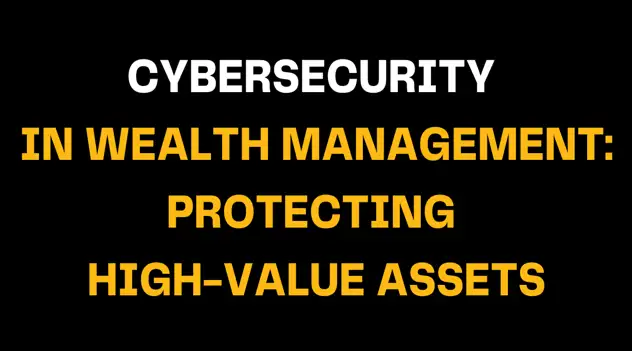
Professional text-based image reading ‘Cybersecurity in Wealth Management: Protecting High-Value Assets’ designed in white and gold on black, conveying strong focus on financial cybersecurity and asset defense.

Read Time2 MinsIn the fast-evolving landscape of wealth management, where substantial assets and sensitive financial data are at stake, safeguarding against cyber threats is paramount. As cybersecurity continues to play a central role in family asset management, family offices, and financial institutions, ensuring the protection of high-value assets becomes a top priority.  The Growing Cybersecurity […]

Read Time4 Mins

In the fast-evolving landscape of wealth management, where substantial assets and sensitive financial data are at stake, safeguarding against cyber threats is paramount. As cybersecurity continues to play a central role in family asset management, family offices, and financial institutions, ensuring the protection of high-value assets becomes a top priority. 

The Growing Cybersecurity Challenge 

Wealth management firms today manage a wealth of data, from intricate financial portfolios to personal client information. The digital transformation has streamlined operations but has also exposed vulnerabilities that malicious actors are eager to exploit. Cybersecurity has, therefore, become a cornerstone of effective wealth management. 

Recognizing the Vulnerabilities 

The wealth management industry is a treasure trove for cybercriminals. It’s not just about the wealth of clients; it’s about the sensitive financial strategies and data that can be leveraged for illicit gain. Cybercriminals are constantly seeking ways to breach these systems, which underscores the importance of having robust security measures in place. 

Protecting High-Value Assets 

  1. Robust Data Encryption: Encrypting data ensures that even if unauthorized access occurs, the data remains indecipherable. Advanced encryption techniques are vital for safeguarding sensitive financial data. 
  2. Multi-Factor Authentication (MFA): MFA adds an extra layer of security by requiring users to provide multiple forms of identification before granting access. This is crucial for limiting unauthorized entry. 
  3. Regular Software Updates: Cybersecurity isn’t static; it evolves. Regular updates help patch vulnerabilities that hackers may target. Keeping all software, including family office software, up to date is vital. 
  4. Employee Training: Human error is often a leading cause of security breaches. Educating employees about potential threats and best practices can prevent many attacks. 
  5. Incident Response Plan: Being proactive is essential, but having a well-defined response plan is equally important. In the event of a breach, knowing what steps to take can minimize damage. 

Family Office Software and Cybersecurity 

Family office software solutions are now central to wealth management operations, offering efficiency and convenience. However, as these systems handle vast amounts of financial and client data, they must be fortified against cyber threats. 

Maintaining Confidentiality 

Protecting the confidentiality of your clients’ financial data is not only a legal requirement but also a matter of trust. Using family office software that prioritizes security ensures your clients that their sensitive information remains confidential. 

Streamlined Access Control 

Family office software often comes with role-based access controls, allowing you to grant system access based on job responsibilities. By limiting access to only those who need it, the risk of unauthorized users or accidental data exposure is minimized. 

Continuous Monitoring 

Many modern family office software solutions include security monitoring tools that keep a constant eye on the system. This real-time monitoring can detect unusual activities and provide alerts. 

Conclusion 

In today’s wealth management landscape, where technology is integral to operations, cybersecurity is non-negotiable. Protecting high-value assets, confidential client information, and financial data is not only a legal responsibility but a matter of integrity and trust. Cyber threats may persist, but with robust security measures and a vigilant approach, wealth managers can stay one step ahead in safeguarding their clients’ assets. 

Ultimately, cybersecurity is an ongoing commitment, one that should evolve in step with the ever-changing landscape of technology and the persistent ingenuity of cybercriminals. With a proactive approach and the right tools, wealth managers can protect high-value assets and ensure the safety of their clients’ financial future.


Leave a Reply

Your email address will not be published. Required fields are marked *

minimum investment for hedge fund

Minimum Investment For Hedge Fund: Why One Hedge Fund Asks for $100K, and Another Wants $5M

Hedge Fund Minimum Investment Levels Usually Start Around $100,000 and Rise From There There is no single market-wide floor. The baseline minimum investment for hedge fund access often starts at…
what is the difference between estate planning and a will

Estate Planning vs. a Will: the Difference That Trips People Up

Why a Will Is One Part of an Estate Plan, Not the Alternative to It People often use a will as shorthand for the whole estate-planning conversation. That everyday label…
Hedge Fund Vs Investment Management

Hedge Fund vs Investment Management: Structure, Access, Fees

Are You Comparing Investment Structures or Finance Career Paths? The query mixes two different comparisons. One asks about investment structures, meaning how capital is organized, managed, and offered to investors.…
high net worth individuals investment strategies

Investment Strategies for High-Net-Worth Individuals

Who These Strategies Fit and Why High Net Worth Individuals Invest Differently More wealth does not just widen the product shelf. It changes the portfolio’s operating constraints. For high net…
portfolio reporting

Why Most Portfolio Reporting Fail the People Using Them

The Different Types of Portfolio Reporting and Why the Distinction Matters First Most portfolio reporting fails before the first chart appears because the term itself is treated as a single,…
great wealth transfer

The Great Wealth Transfer Is Here, but Who Actually Benefits?

Who Actually Benefits When Inherited Wealth Is Already Concentrated The headline number is large, but the benefits are not broad. Cerulli’s estimates show why: its 2022 projection put $84.4 trillion…
minimum investment for hedge fund

Minimum Investment For Hedge Fund: Why One Hedge Fund Asks for $100K, and Another Wants $5M

Hedge Fund Minimum Investment Levels Usually Start Around $100,000 and Rise From There There is no single market-wide floor. The baseline minimum investment for hedge fund access often starts at…
what is the difference between estate planning and a will

Estate Planning vs. a Will: the Difference That Trips People Up

Why a Will Is One Part of an Estate Plan, Not the Alternative to It People often use a will as shorthand for the whole estate-planning conversation. That everyday label…
Hedge Fund Vs Investment Management

Hedge Fund vs Investment Management: Structure, Access, Fees

Are You Comparing Investment Structures or Finance Career Paths? The query mixes two different comparisons. One asks about investment structures, meaning how capital is organized, managed, and offered to investors.…
high net worth individuals investment strategies

Investment Strategies for High-Net-Worth Individuals

Who These Strategies Fit and Why High Net Worth Individuals Invest Differently More wealth does not just widen the product shelf. It changes the portfolio’s operating constraints. For high net…
portfolio reporting

Why Most Portfolio Reporting Fail the People Using Them

The Different Types of Portfolio Reporting and Why the Distinction Matters First Most portfolio reporting fails before the first chart appears because the term itself is treated as a single,…
great wealth transfer

The Great Wealth Transfer Is Here, but Who Actually Benefits?

Who Actually Benefits When Inherited Wealth Is Already Concentrated The headline number is large, but the benefits are not broad. Cerulli’s estimates show why: its 2022 projection put $84.4 trillion…