Asset Vantage

Demystifying Investment Reports

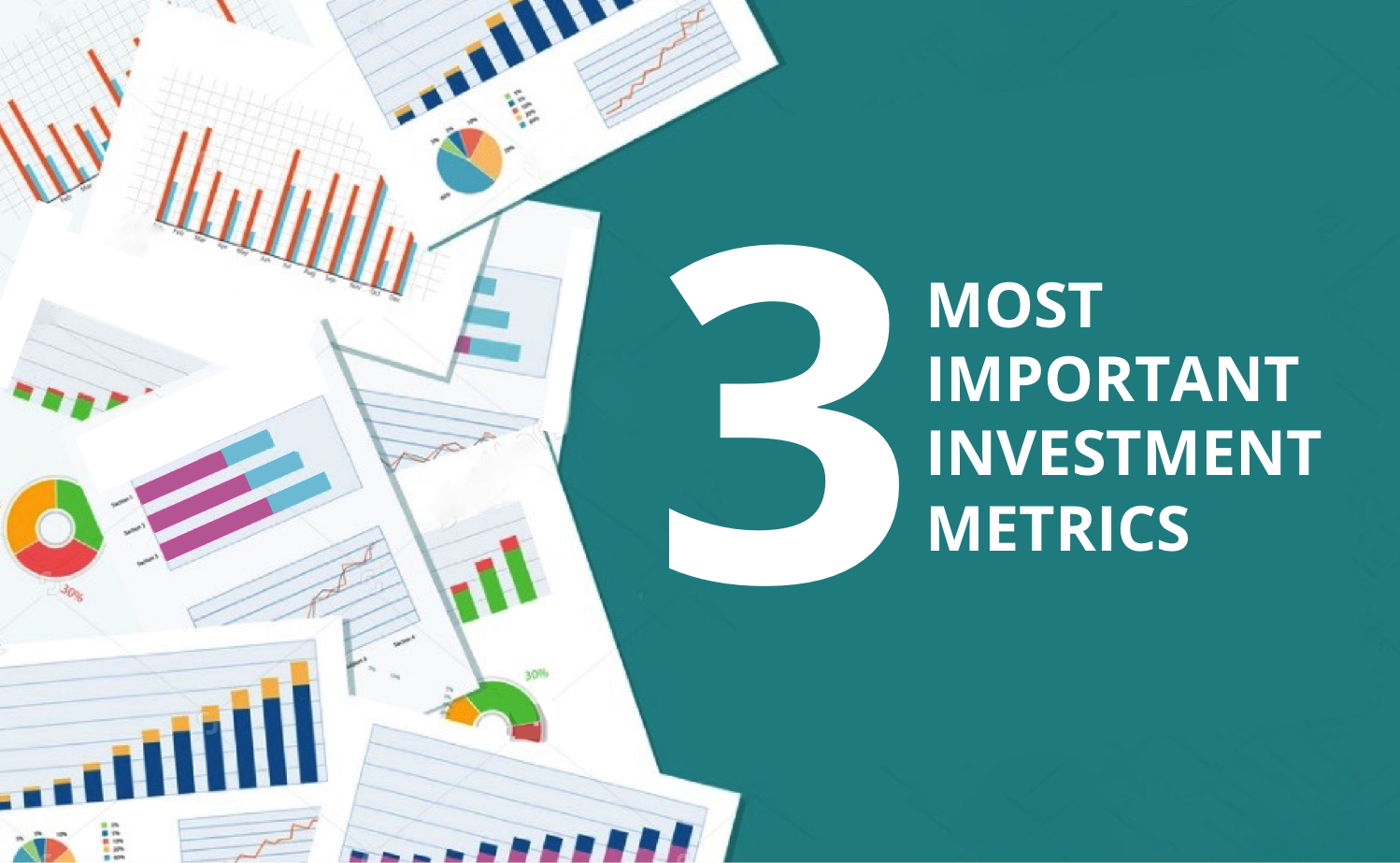
Black background with bold white and yellow text displays 3 Important Investment Metrics, helping decode key data points in investment reports for smarter financial decision-making

Read Time2 Mins“Facts are stubborn things, but statistics are pliable.” –Mark Twain Reviewing investment management software reports can be intimidating, even blatantly misleading sometimes. Often, the good news will be highlighted with bold colorful numbers and charts, while the negatives are downplayed or disguised amid the mass of information. Asset Vantage customers can demystify their […]

Read Time3 Mins

“Facts are stubborn things, but statistics are pliable.” –Mark Twain

Reviewing investment management software reports can be intimidating, even blatantly misleading sometimes. Often, the good news will be highlighted with bold colorful numbers and charts, while the negatives are downplayed or disguised amid the mass of information.

Asset Vantage customers can demystify their investment reports by focusing on the 3 most important performance metrics.
1. Asset Allocation – Actual vs. Target

Monitoring deviations in asset allocation and taking well-informed decisions to rebalance requires a consolidated view of all investment accounting software made across multiple entities and advisors.

Asset Vantage simplifies the daunting task of consolidating data from multiple advisors and compares in a consistent manner, targeted versus actual asset allocation. With a series of simple drop-down filters to analyze data, Asset Vantage customers can track asset allocation changes over a specified period and benchmark against performance.

2. Annualized Returns (IRR)

The performance of family asset management software can only be tracked when all liquid and illiquid investments are measured by one single metric, IRR.

Rather than having to wade through different sets of advisor reports and relying on potentially erroneous in-house reports, Asset Vantage customers can generate comprehensive reports in seconds to evaluate performance across all asset classes, investments, advisors, and sectors. With secure and any-time access to updated reports, trends and anomalies can be easily spotted by comparing IRR from inception to IRR within specific periods.

3. Advisor Performance

Smart data upload features allow Asset Vantage users to record transactions accurately and auto-update coinciding ledgers on a single system. This means the performance of every wealth advisor can be tracked across data cuts on allocation and performance for specific asset classes, sectors, stocks, or funds.

This makes comparison easy, increases transparency, and prepares family principals to ask their advisors all the right questions.

Build your family assets on a foundation of concrete facts and up-to-date information with Asset Vantage.

Leave a Reply

Your email address will not be published. Required fields are marked *

Return on Investment Vs IRR

When Return on Investment Falls Short, IRR Changes the Call

What is the difference between ROI and IRR? ROI shows total gain relative to cost, while IRR shows the annualized return implied by the timing of all cash flows. Use…
Venture Capital Vs Hedge Fund

Venture Capital vs Hedge Fund: Definitions and Investment Focus

What is the difference between venture capital and hedge funds? Venture capital funds invest pooled capital in young private companies and usually hold those stakes for years, helping build the…
Family Office Legal Structure

Family Office Structure: Which Entity Fits Your Family?

Which entity is best suited to a family office? The best family office entity depends on the job the structure must perform, not on a default label. LLCs often support…
strategic asset allocation strategy

When Strategic Asset Allocation Beats Tactical Shifts in a 401(k)

When does strategic asset allocation beat tactical shifts? Strategic asset allocation usually beats tactical shifts in a 401(k) when the account is built for steady contributions, long holding periods, and…
artificial intelligence in investment management

How AI Use Cases in Investment Management Fail Differently

How do AI use cases in investment management fail in different ways? AI use cases in investment management fail differently because each sits at a different point in the workflow…
Family Office Vs Wealth Management

Family Office vs. Wealth Management: Which Fits Your Wealth?

How do family offices and wealth management differ? Wealth management mainly provides investment advice, financial planning, and periodic coordination, while a family office adds an operating layer that keeps records,…
Return on Investment Vs IRR

When Return on Investment Falls Short, IRR Changes the Call

What is the difference between ROI and IRR? ROI shows total gain relative to cost, while IRR shows the annualized return implied by the timing of all cash flows. Use…
Venture Capital Vs Hedge Fund

Venture Capital vs Hedge Fund: Definitions and Investment Focus

What is the difference between venture capital and hedge funds? Venture capital funds invest pooled capital in young private companies and usually hold those stakes for years, helping build the…
Family Office Legal Structure

Family Office Structure: Which Entity Fits Your Family?

Which entity is best suited to a family office? The best family office entity depends on the job the structure must perform, not on a default label. LLCs often support…
strategic asset allocation strategy

When Strategic Asset Allocation Beats Tactical Shifts in a 401(k)

When does strategic asset allocation beat tactical shifts? Strategic asset allocation usually beats tactical shifts in a 401(k) when the account is built for steady contributions, long holding periods, and…
artificial intelligence in investment management

How AI Use Cases in Investment Management Fail Differently

How do AI use cases in investment management fail in different ways? AI use cases in investment management fail differently because each sits at a different point in the workflow…
Family Office Vs Wealth Management

Family Office vs. Wealth Management: Which Fits Your Wealth?

How do family offices and wealth management differ? Wealth management mainly provides investment advice, financial planning, and periodic coordination, while a family office adds an operating layer that keeps records,…